 Fluxx Tech
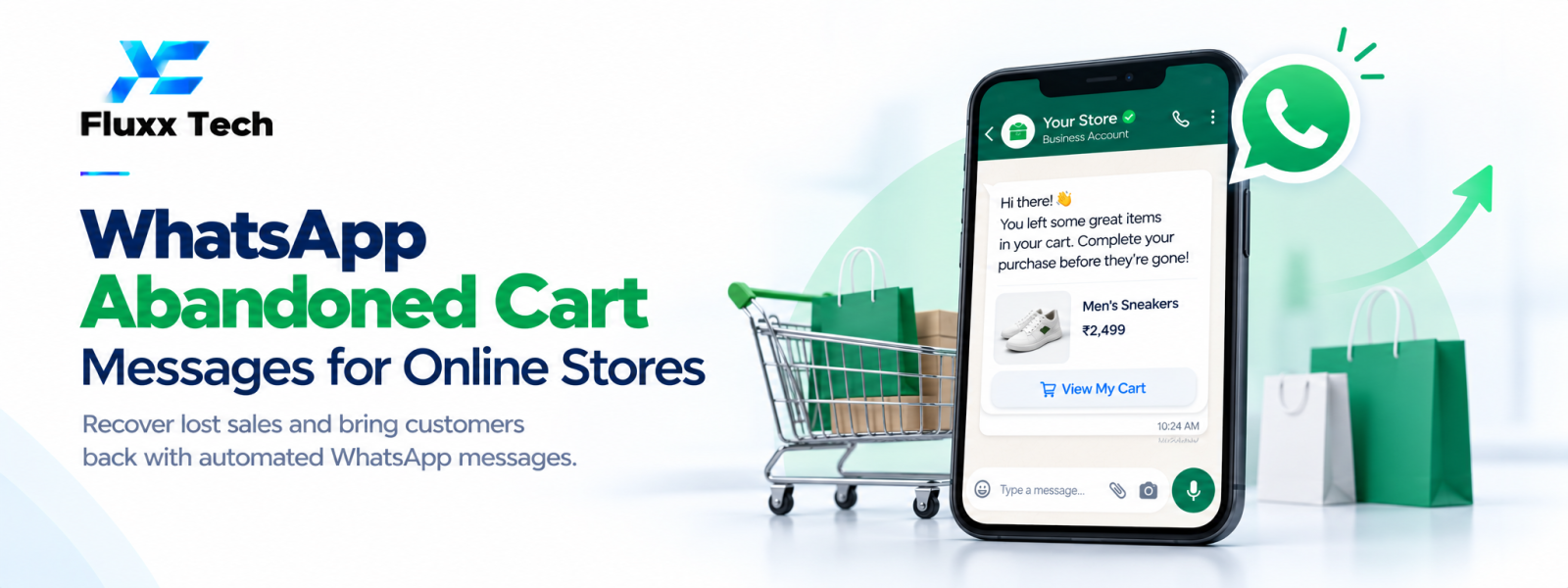
WhatsApp abandoned cart messages can remind eligible shoppers about products they added to an online cart but did not purchase. Used thoughtfully, they may help customers return to checkout or resolve a question that stopped the purchase. They should not be sent automatically to every phone number captured during checkout. Confirm the appropriate permission, platform policies and applicable rules, then design a message that is useful rather than intrusive.
Why shoppers abandon carts
Customers may leave because they are comparing options, checking delivery costs, waiting for information, experiencing a checkout error or simply becoming distracted. A reminder will not solve every reason, so use it as one part of the checkout improvement process.
Review analytics and customer feedback to identify common friction such as unclear shipping information, limited payment options or confusing forms. Fixing these problems may be more valuable than sending more reminders.
Check consent and eligibility first
Before sending an abandoned-cart message, confirm that the customer has provided the appropriate permission for that type of communication and that the workflow complies with current WhatsApp Business Platform policies and applicable law.
Use only the data needed to create a relevant reminder. Respect opt-outs and avoid sending repeated messages after a customer has purchased or indicated they do not want further contact.
Design a helpful reminder
Identify the business clearly, refer to the cart or checkout context accurately and provide a secure link back to the store. Keep the message concise and explain the next step without creating false urgency.
Do not promise a discount, stock availability or delivery date unless the store can honour it. If an incentive is offered, make the conditions clear and ensure the campaign economics make sense.
Timing and frequency
Choose a schedule based on customer expectations, product type and current policy requirements. Avoid excessive reminders, and stop the sequence when a purchase completes or the customer opts out.
Test the workflow on a small eligible audience. Check that messages are not triggered by duplicate events, that the checkout link works and that the customer does not receive a reminder after completing an order.
Measure recovery properly
Track delivered messages, clicks, completed purchases, opt-outs and complaints. Use an attribution window that is clearly defined and compare results with a baseline or a suitable test group where possible.
Do not credit every purchase after a message to the campaign; some shoppers would have returned anyway. Use the results to refine eligibility, timing, message clarity and checkout experience.
Technical setup and safeguards
Connect the store's cart and order events to a supported messaging platform or integration. Verify event authenticity, handle retries and prevent duplicate sends. Protect customer data and limit who can access campaign records.
Test cancellations, multiple carts, guest checkout, completed purchases and failed integrations. Keep a pause mechanism in case a workflow starts sending messages incorrectly.
Conclusion
In conclusion, a well-planned WhatsApp business workflow should make communication more useful for customers while remaining organised, permission-based and aligned with the platform’s current policies. Define the use case first, configure the right tools and templates, test the customer journey and monitor message quality and outcomes. Review official WhatsApp and Meta guidance before making decisions about pricing, eligibility or policy requirements. With clear processes and relevant communication, businesses can use WhatsApp more effectively for customer conversations and support.
Frequently Asked Questions
Can every abandoned cart receive a WhatsApp message?
No. Confirm appropriate permission and compliance with current platform policies and applicable rules before messaging.
Should I offer a discount in every reminder?
Not necessarily. First identify the barrier to purchase; unnecessary discounts can reduce margin without solving checkout problems.
How do I know if cart recovery works?
Measure completed purchases alongside clicks, opt-outs and complaints, and use a clear attribution approach.